
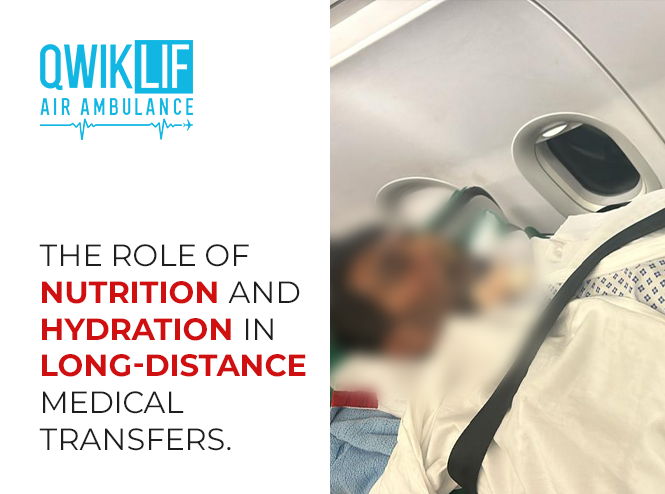
In long-distance medical transfers, maintaining proper nutrition and hydration is essential for ensuring patient stability, recovery, and overall well-being. Patients undergoing air ambulance transport are often in critical or fragile conditions, making it vital to support their metabolic needs throughout the journey. At Qwiklif Air Ambulance, careful attention is given to nutritional support and fluid management, ensuring that patients remain stable, comfortable, and medically supported during extended flights.
Why Nutrition and Hydration Matter in Air Medical Transport
During long-haul air ambulance missions, patients may experience fatigue, dehydration, and metabolic imbalances. Factors such as cabin pressure changes, reduced humidity, and prolonged travel duration can worsen these conditions.
Proper hydration levels help maintain blood circulation, organ function, and electrolyte balance, while adequate nutrition supports energy levels, immune response, and healing processes. Qwiklif Air Ambulance prioritizes these elements to ensure optimal patient outcomes.
Pre-Flight Assessment and Planning
Before initiating any long-distance medical transfer, a comprehensive nutritional and hydration assessment is conducted. This includes evaluating:
- Patient’s medical condition and dietary requirements
- Fluid balance and electrolyte levels
- Feeding methods (oral, enteral, or intravenous)
- Risk of dehydration or malnutrition
Based on this evaluation, the medical team at Qwiklif Air Ambulance develops a personalized care plan to manage nutrition and hydration needs effectively during transit.
In-Flight Nutritional Support
Providing nutrition during air ambulance transport depends on the patient’s condition. Common approaches include:
- Oral feeding for stable patients with minimal restrictions
- Enteral nutrition (feeding tubes) for patients unable to eat independently
- Parenteral nutrition (IV feeding) for critically ill patients requiring advanced support
Qwiklif Air Ambulance ensures that all nutritional interventions are administered safely, maintaining strict hygiene and monitoring protocols to prevent complications.
Managing Hydration and Fluid Balance
Hydration management is a critical aspect of long-distance air transfers. Dehydration can lead to low blood pressure, confusion, and delayed recovery.
Medical teams continuously monitor:
- Fluid intake and output
- Electrolyte levels
- Signs of dehydration or fluid overload
Intravenous (IV) fluids are often used to maintain optimal hydration levels, especially in patients who cannot consume fluids orally. At Qwiklif Air Ambulance, precise fluid management protocols ensure balanced hydration throughout the journey.
Monitoring and Adjustments During Flight
During extended air ambulance missions, patient needs may change. Continuous monitoring of vital signs and metabolic status allows medical teams to adjust nutrition and hydration strategies in real time.
Qwiklif Air Ambulance utilizes advanced monitoring systems and highly trained medical professionals to ensure that patients receive consistent and adaptive care during transit.
Ensuring Comfort and Supporting Recovery
Proper nutrition and hydration not only support medical stability but also improve patient comfort and recovery. Addressing these needs reduces fatigue, stress, and complications, making the journey smoother for patients.
Qwiklif Air Ambulance focuses on delivering holistic care, combining medical expertise with patient-centered support to enhance the overall transfer experience.
Conclusion
The role of nutrition and hydration in long-distance medical transfers is fundamental to ensuring safe and successful outcomes. Through careful planning, continuous monitoring, and personalized care, Qwiklif Air Ambulance ensures that patients receive the nutritional and fluid support they need during extended journeys. In the demanding field of air medical transport, maintaining proper hydration and nutrition is key to promoting recovery, stability, and patient safety.