
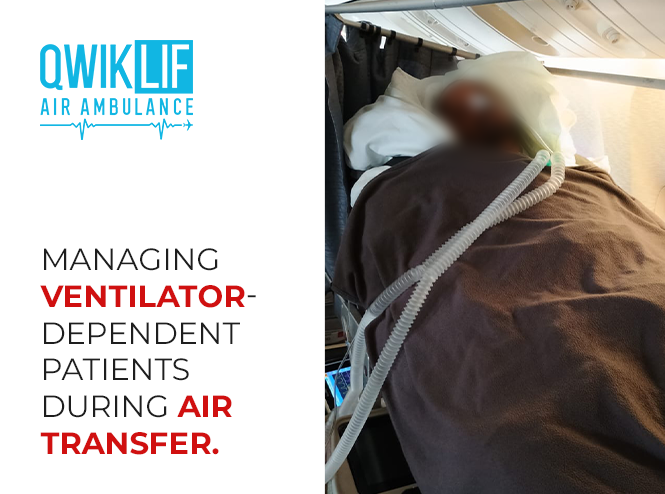
Medical emergencies often require rapid and specialized transport, and air ambulances play a critical role in saving lives. While much attention is given to the clinical and logistical aspects of these missions, the psychological impact of air medical transport on patients is equally important. Being transported by air during a medical crisis can be an emotionally overwhelming experience, making compassionate care essential. Qwiklif Air Ambulance recognizes the importance of addressing both the physical and emotional needs of patients during air medical transfers.
Anxiety and Fear During Emergency Transport
For many patients, being placed in an air ambulance can trigger anxiety and fear. The unfamiliar environment, loud aircraft noise, and awareness of a serious medical condition can cause emotional distress. Patients may feel a loss of control over their situation, which can intensify feelings of vulnerability.
To help reduce these fears, medical teams focus on reassurance, clear communication, and continuous patient support throughout the journey. Explaining procedures and providing emotional reassurance can significantly ease patient anxiety during transport.
Stress Caused by Medical Emergencies
Air medical transport often occurs during critical or life-threatening situations, which can create significant psychological stress. Patients may worry about their health outcome, separation from family members, or the uncertainty of the medical procedures awaiting them at the receiving hospital.
Qwiklif Air Ambulance understands these concerns and prioritizes patient-centered care, ensuring that trained medical professionals provide both clinical expertise and emotional support during the flight.
The Impact of the Aircraft Environment
The aircraft environment itself can contribute to psychological discomfort. Limited space, continuous vibration, and loud engine noise can make patients feel disoriented or uneasy. For patients who are already experiencing pain, trauma, or severe illness, these conditions may increase stress levels.
Experienced air medical crews help manage this by maintaining calm communication, ensuring patient comfort, and closely monitoring emotional as well as physical well-being.
The Importance of Compassionate Care
Providing emotional reassurance is a key component of patient care during air transport. A calm, supportive medical team can significantly improve a patient’s sense of safety and trust during the journey.
At Qwiklif Air Ambulance, trained medical staff understand the psychological challenges patients may face during transport. Their approach combines advanced medical care with empathy and compassionate communication, helping patients feel more secure while receiving critical treatment in the air.
Supporting Patients After Transport
The psychological effects of emergency transport may continue even after the patient arrives at the hospital. Clear communication during handover and reassurance from medical teams can help patients feel more comfortable as they transition to the receiving facility.
By maintaining coordinated communication between the air medical team and hospital staff, Qwiklif Air Ambulance ensures that patients experience a smoother and less stressful transition into continued medical care.
Conclusion
Air medical transport is not only a clinical operation but also a deeply human experience. Patients often face fear, uncertainty, and emotional stress during emergency transfers, making compassionate care essential. Through skilled medical teams, patient-focused communication, and supportive care practices, Qwiklif Air Ambulance helps minimize psychological distress while delivering safe and efficient medical transport for patients in critical need.