
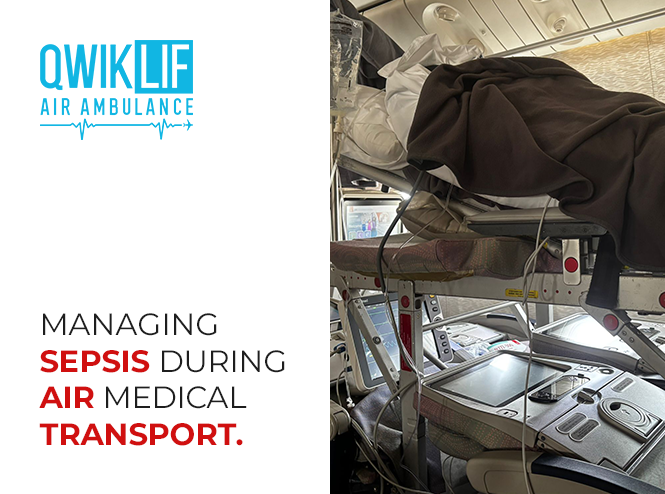
Sepsis is a life-threatening medical condition that requires immediate and intensive care. It occurs when the body’s response to infection leads to widespread inflammation, organ dysfunction, and potentially septic shock. Transporting patients with sepsis over long distances demands careful planning, continuous monitoring, and advanced medical support. In such critical situations, air ambulance services play a vital role in ensuring safe and timely medical evacuation. At Qwiklif Air Ambulance, specialized sepsis management protocols are followed to provide effective critical care air transport for these high-risk patients.
Understanding the Severity of Sepsis
Sepsis can progress rapidly, leading to organ failure, low blood pressure, and impaired oxygen delivery to tissues. Patients may deteriorate quickly if not managed properly, making timely transfer to advanced medical facilities essential.
Common signs of sepsis include:
- High or low body temperature
- Rapid heart rate and breathing
- Confusion or altered mental status
- Low blood pressure (septic shock)
These symptoms require immediate intervention and continuous monitoring during air medical transport.
Pre-Flight Stabilization and Assessment
Before initiating air ambulance transfer, it is crucial to stabilize the patient as much as possible. A detailed medical assessment helps determine the level of care required during the journey.
At Qwiklif Air Ambulance, pre-flight preparation includes:
- Reviewing infection source and severity
- Stabilizing blood pressure and oxygen levels
- Initiating intravenous fluids and antibiotics
- Ensuring readiness of life-support equipment
Proper stabilization reduces risks during critical care transport.
Advanced Monitoring and In-Flight Care
Patients with sepsis require constant observation due to the risk of rapid deterioration. Air ambulance aircraft are equipped with advanced ICU-grade medical equipment to support continuous care during the flight.
During sepsis patient transport, Qwiklif Air Ambulance’s flight medical teams provide:
- Continuous vital sign and cardiac monitoring
- Administration of intravenous fluids and medications
- Oxygen therapy and ventilator support if required
- Monitoring for signs of organ dysfunction
This ensures uninterrupted critical care support throughout the journey.
Managing Septic Shock in the Air
In severe cases, patients may develop septic shock, a condition characterized by dangerously low blood pressure and poor organ perfusion. Managing this condition during air medical transport requires immediate and precise intervention.
Qwiklif’s flight doctors and nurses are trained to:
- Administer vasopressor medications to maintain blood pressure
- Manage fluid resuscitation carefully
- Monitor lactate levels and organ function
- Adjust treatment based on real-time patient response
This level of care is essential for stabilizing patients during critical air ambulance missions.
Coordination with Receiving Hospitals
Successful sepsis management does not end with the flight. Ensuring immediate access to advanced care upon arrival is equally important.
The Qwiklif Air Ambulance operations team coordinates:
- Pre-arranged ICU admission
- Communication with infectious disease specialists
- Seamless ground ambulance transfer
- Structured medical handover to hospital teams
This ensures continuity of care and rapid initiation of further treatment.
Delivering Life-Saving Care in Critical Conditions
Managing sepsis during air medical transport requires a combination of speed, expertise, and advanced medical capabilities. Through specialized flight medical teams, ICU-level equipment, and well-coordinated operations, Qwiklif Air Ambulance ensures that patients receive the highest level of care throughout the journey.
Because when dealing with life-threatening infections, timely intervention and expert medical transport can make the difference between life and recovery.