
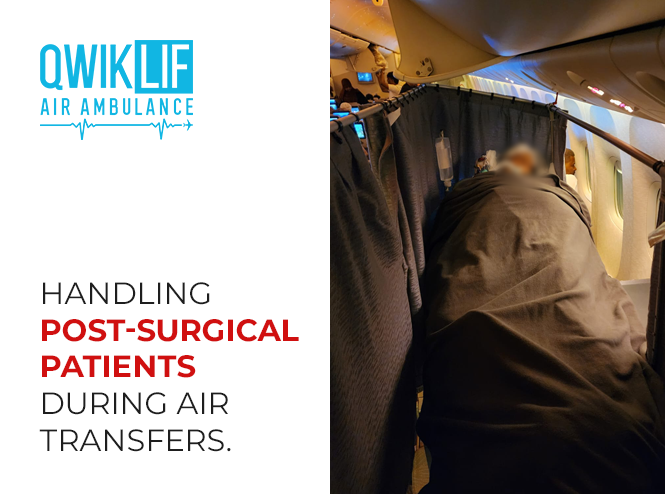
Effective pain management during air ambulance transport is a critical component of patient care, especially for individuals experiencing trauma, post-surgical recovery, or severe medical conditions. Uncontrolled pain can lead to physiological stress, increased heart rate, and complications, making it essential to maintain optimal comfort and stability throughout the journey. At Qwiklif Air Ambulance, managing pain control in transit is a top priority, achieved through advanced medical protocols, skilled professionals, and specialized equipment.
Understanding Pain Management in Air Medical Transport
Patients transported via air ambulance services often face acute or chronic pain due to injuries, surgeries, or underlying illnesses. The unique environment of air travel, including altitude changes, cabin pressure variations, and limited space, can intensify discomfort.
Qwiklif Air Ambulance addresses these challenges by implementing personalized pain management strategies tailored to each patient’s condition, ensuring safe and effective relief throughout the transfer.
Pre-Flight Pain Assessment and Planning
Before any air medical transfer, a detailed pain assessment is conducted. This involves evaluating:
- Pain intensity and type
- Medical history and current medications
- Allergies and contraindications
- Overall patient condition and stability
Based on this evaluation, the medical team at Qwiklif Air Ambulance develops a customized pain control plan, ensuring that appropriate analgesics and supportive therapies are prepared in advance.
In-Flight Pain Control Techniques
During air ambulance transport, maintaining continuous pain relief requires a combination of pharmacological and non-pharmacological methods. These include:
- Administration of pain medications such as opioids, non-opioid analgesics, and sedatives
- Intravenous (IV) infusions for controlled and consistent drug delivery
- Regional anesthesia techniques in specific cases
- Positioning and immobilization to reduce discomfort
- Oxygen therapy to improve overall patient comfort
Qwiklif Air Ambulance ensures that all medications are administered by qualified medical professionals, maintaining strict dosage control and patient monitoring.
Continuous Monitoring and Adjustment
Pain levels can fluctuate during air transfers, especially in long-distance or critical care flights. Continuous patient monitoring is essential to adjust treatment in real time.
Using advanced monitoring systems, Qwiklif Air Ambulance tracks vital signs, oxygen levels, and patient responses, allowing medical teams to modify pain management strategies as needed. This ensures consistent comfort and safety throughout the journey.
Managing Special Cases and High-Risk Patients
Certain patients, such as those with severe trauma, burns, or post-operative complications, require more intensive pain control measures. In such cases, air ambulance teams may use:
- Advanced sedation techniques
- Multimodal pain management approaches
- Specialized equipment for critical care support
Qwiklif Air Ambulance is equipped to handle these complex cases, ensuring that even the most vulnerable patients receive comprehensive pain relief during transit.