- December 10, 2025
- admin
- Comment: 0
- Dedicated Air Ambulance by Qwiklif
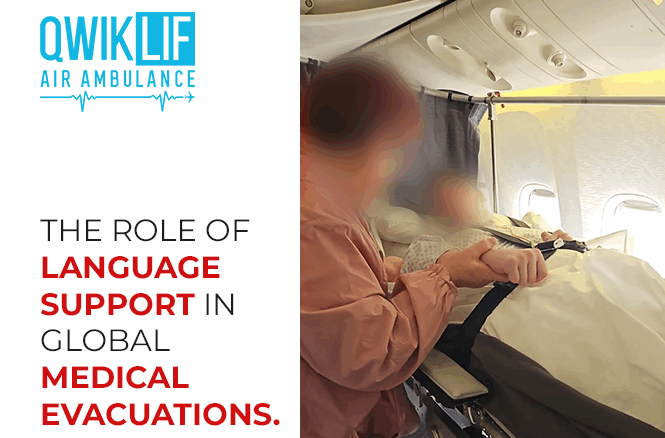
When a patient requires an international medical evacuation, clear and accurate communication can be just as critical as medical expertise. At Qwiklif Air Ambulance, we understand that language barriers can complicate patient care, create delays, and increase stress for both patients and families. Providing multilingual support is therefore a key component of safe, efficient, and compassionate air medical transport.
1. Clear Communication Between Medical Teams and Patients
Before takeoff, families receive a comprehensive briefing outlining the mission plan. This includes the flight schedule, expected duration, medical interventions to be provided in-flight, and any special considerations for the patient. By sharing this information upfront, Qwiklif Air Ambulance ensures families know exactly what to expect and feel confident in the safety measures in place.
2. Coordinating with Hospitals and Ground Teams
International medical transfers require coordination with sending and receiving hospitals, local emergency services, and aviation authorities. Language support specialists help facilitate clear communication, ensuring that patient information, medical reports, and logistical details are accurately conveyed across borders. This reduces the risk of errors and keeps the transfer process seamless.
3. Supporting Families Across Borders
Families of patients undergoing a global medical evacuation may not speak the same language as the crew or hospital staff. Qwiklif provides family liaison services with multilingual communication options, keeping loved ones informed about the patient’s condition, flight progress, and expected arrival. Transparent communication provides reassurance and helps families feel connected during a stressful time.
4. Ensuring Compliance with International Regulations
Air ambulance operations must comply with international aviation and medical regulations, which often involve documentation in multiple languages. Language support helps accurately translate permits, medical reports, and legal forms, ensuring regulatory compliance and avoiding delays that could impact patient care.
5. Enhancing Safety and Patient Comfort
Miscommunication can have serious consequences in high-pressure situations. Providing language support enhances patient safety, reduces anxiety, and ensures that medical instructions are understood and followed. This is particularly important for patients requiring critical care, pediatric transport, or ventilator support.
6. Training and Cultural Awareness
Qwiklif crews receive training in cultural sensitivity and effective communication strategies. Combined with language support, this ensures patients feel respected, understood, and comfortable, even in the high-stress environment of a medical evacuation flight.
At Qwiklif Air Ambulance, language support is more than a convenience — it’s a critical part of our commitment to safe, efficient, and compassionate global medical evacuations. By bridging communication gaps, we ensure that patients, families, and medical teams remain connected, informed, and confident throughout every mission.